
by Mercy Rhodes
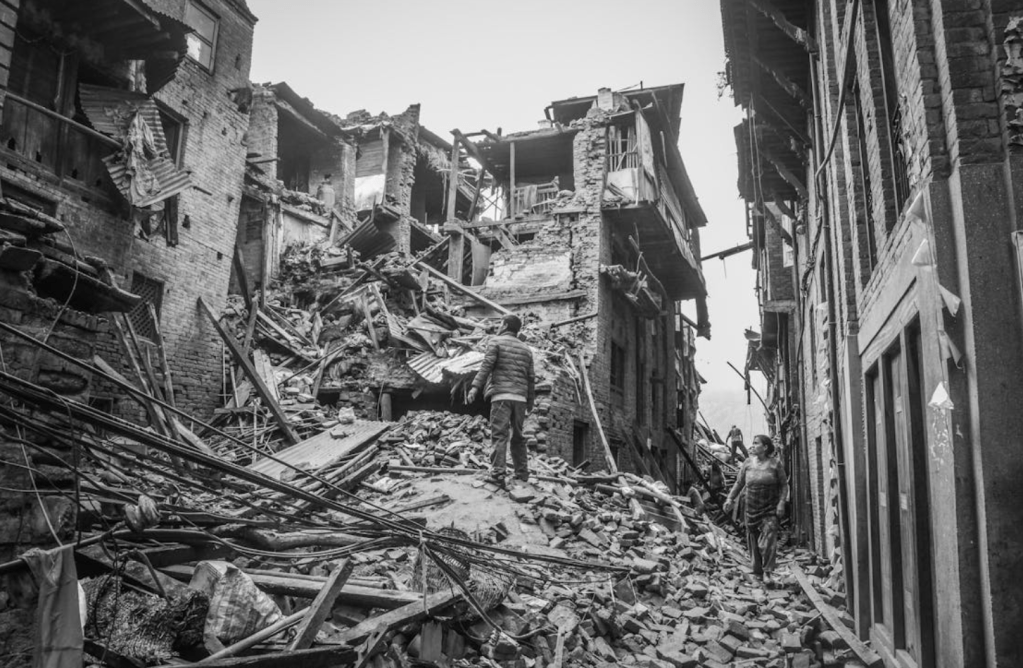
Image by Sanej Prasad Suwal from Pexels
Kathryn Schulz’s scientific article, “The Really Big One,” is a great piece of journalism that
captivates readers while delivering crucial information about the seismic risks
of the Cascadia subduction zone. Schulz employs three main elements to enhance
the article’s effectiveness. These elements include the use of vivid imagery
and storytelling, the integration of expert perspectives and scientific data,
and finally the compelling call to action.
Perhaps one of the most striking parts of Schulz’s
writing is her ability to use vivid imagery and storytelling to bring the
potential natural disaster to life. She begins her article with a gripping
narrative that allows readers to picture themselves in the middle of a
hypothetical earthquake scenario. This quickly captures attention and sets the
tone for the rest of the article. For example, Schulz describes the
earthquake’s impact like “the earth snapped and popped and rippled.” These
types of descriptions help with visuals and emotions, which allows the reader
to better understand potential devastation that the author is trying to convey.
Schulz’s storytelling also goes beyond descriptions. She
blends personal anecdotes and hypothetical scenarios to make the scientific
information being presented more relatable. By doing so, she makes a complex
geological topic into a compelling narrative that is accessible and
understandable to a broader audience. This helps readers remain engaged in the
story from the beginning.
Another critical element of the article is her effective
use of expert testimony and scientific data. The author includes quotes from
both seismologists and other geological experts. This adds credibility and
authority to the claims she is making. For example, she quotes Kenneth Murphy
from FEMA. These authority perspectives emphasize the seriousness of the threat
and back up the point of the article.
In addition to expert testimony, Schulz also weaves in
scientific data to support her narrative. The author explains the geological
processes behind the Cascadia subduction zone, as well as provides historical
context by referencing previous earthquakes and their consequences. Reminding
readers of the scientific facts not only educates them, but also reinforces the
urgency of the situation. Schulz is able to show off her skill as a writer and
journalist by enabling the average reader to understand the complex scientific
information described.
The third important element of making this article so
effective is her compelling call to action. Throughout the article, the author
continues to emphasize the inadequacy of current preparation measures and the
need for improvement and emergency planning. She does not just present the
problem, but rather she urges readers to take steps to minimize the risks. Schulz
acts as an advocate for change as she discusses possible measures and describes
potential devastation to motivate readers.
“The Really Big One” is a compelling article due to the
use of vivid storytelling and imagery, call to action, and the blend of expert
quotes and data. These elements work together to create a story that is not
only informative but engaging and motivating. The article is a reminder of the
importance of preparedness in our lives.Schulz, K. (2016). The Really Big One. The Best American Magazine Writing 2016,
183–202. https://doi.org/10.7312/asme16957-009

