
By Kezlie Hemmert
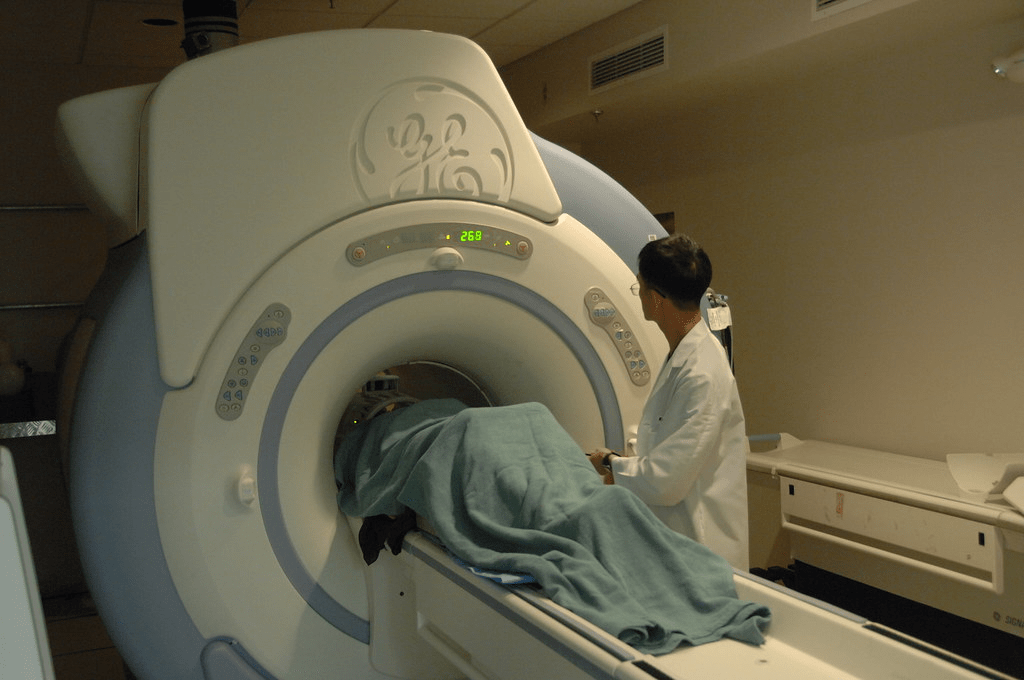
I didn’t really know what was happening, for the record. All I knew was that my parents dragged me out of bed at the crack of dawn and told me we’d be seeing a doctor. Great! I liked my doctor; she was very nice, and she was also the mom of my good friend. Only we weren’t headed to Thayne Wyoming, the next town over, where my doctor’s office was located. Instead, we started driving down to Salt Lake City. Double great. My mom tried to explain what was going to happen while we were in Salt Lake, but I didn’t really want to listen to her. I was tired, cranky, and wanted to watch a movie. She eventually gave up. The journey was awful, but when we got there, we stayed in a cool hotel with a big old swimming pool that I could swim inside and outside the building. Me and my dad were the only ones there, and we had a blast.
In the morning, my mom and dad took me to a place called Primary Children’s hospital. We all walked in through a big revolving door with a big painting on the side. We were led down a maze of hallways, and every turn we made the smell of medicine was getting stronger. The nurse who had been leading us told us we’d be waiting in a little room for a different nurse to come in to give me medicine. That wasn’t a big deal. I had had a lot of medicine over the past month or so. I had gotten used to the yucky taste. Only the nurse came in with a needle and an IV tube, which I wasn’t very happy about. My mom worked on calming me down, but I had to sit on my dad’s lap to even let the nurse come near me. As soon as she poked me, everything went black.
What I just described was an embellished version of the first time that I had ever had an MRI at the age of 8 years old. Everything seemed so impossibly big from the moment I stepped into the hospital from the moment we were allowed to leave. The first time around I never saw the machine. The doctors and nurses wanted to make sure they could get a clear image and having a squirming kid sit still for 45 minutes wasn’t going to happen. I’m not really sure what happened after that. What they diagnosed me with ended up keeping me in the hospital for quite a while but over the years I’ve had to continuously get MRI’s, and I stopped having to be put to sleep for them after my second test.
If you’ve never had one before, it can be terrifying. I can still remember that sinking feeling as I sat on my dad’s lap, trying to ignore the feeling of the needle going into my arm. My first time getting an MRI was quite traumatic as well. When they saw what had happened, a blood clot in an artery in my neck, they immediately gave me medicine to break up the clot. I had a bad break up of that clot and ended up unconscious in the ICU for about a week. Chances are that your MRI experience won’t be like my first. I’m just here to try to help you understand what is going to happen when you go in and what you can do to alleviate some of your concerns.
For those of you who don’t know, an MRI stands for Magnetic Resonance Imaging. It is similar to how an X-ray works, but it gives a much more detailed picture. It can show things like organs, bones, vessels, and other soft tissue. MRI’s can be used on any part of your body, though I only have experience with head and neck MRI’s. Depending on the severity of the reason for the MRI, you may be sent to the hospital immediately after you see your primary. Don’t panic. I know it’s easier said than done but I had a situation where I had to immediately leave my doctor’s office at 4:00PM on a Friday, drive to the hospital in the next town over, spend two hours waiting, and then spend another hour doing the scan. Luckily, I was fine, but my dad wasn’t very amused. The reason they ordered this was because I had a history of deep vein thrombosis, which is just a fancy way to say I had blood clots in deep veins. If they request one for you, you may have a family history of stroke, tumors, high blood pressure, or something else that may require doctors to rule something out.
If you are scheduled an MRI for later, you have more time to freak out. I was lucky my first time because I couldn’t really understand what it meant for me to need an MRI. I could leave all the worrying and fussing to my parents. I also didn’t have access to the internet, so I couldn’t Google all the different ways I was going to die from an MRI. The doctors and technicians will make a big point about not wearing metal. Don’t worry about screws, implants, or the like. Most likely the technician or a doctor will give you a list with different metals that can’t be easily removed that you’ll check off. If you have any concerns about anything, bring them up to the technician or doctor, even if it’s something as small as getting cut by some barbed wire ten years ago. Thier job is to make sure you are informed, and chances are, it won’t be a big deal. I’ve had a permanent retainer in for a very long time. All I do is bring it up to my doctor and they mark it down.
When you do go, wear comfortable clothes with no metal. Think sweats, slip on shoes, and sports bras without any wire or zippers. Make sure you go to the bathroom before entering the machine and make sure you’re in a comfortable position. I know you might not want to make a big deal out of it but it’s better to spend five minutes getting into a comfortable position than spend fifty minutes with an achy back and neck. They’ll give you some ear buds to listen to music or maybe even a screen to watch a movie on. You won’t hear it. The machine is loud. Just make sure the ear plugs are in as well as they can be, maybe you’ll get lucky and hear the occasional melody in-between scans.
There is also a chance that you may be told that you’re going to be given contrast. What this means is that they’ll put an IV in your arm and give you a dye that will help them see your blood vessels better. The phlebotomist will usually find and stick the IV in before you go in and leave it until they have a few scans before injecting the contrast into the IV. The contrast is perfectly fine to have if you don’t have any liver or kidney issues, if you do it will be on a case by case basis. Make sure to drink plenty of water afterwards to help your body flush out the contrast, it can be hard on your kidneys, but the reward is greater than the risk.
Now that I’ve explained the process, if you know your doctor wants to do contrast, make sure the phlebotomist puts in the IV before you go into the machine. If the technician sends you in before you get the IV and then tries to put it in, you may run into the issue of not finding a vein. I had this happen to me and the phlebotomists had to bring in three rounds of reinforcements, talk about putting it in my neck, before the phlebotomists got a hematologist who found a blood vessel. Keep in mind that I had to keep very still, even outside of the machine. If the hematologist didn’t find my vein, I would of had to come back. Overall, this just added twenty-five minutes to my visit.
The MRI machine is quite narrow, so if you have something like claustrophobia, you have several options. MRI’s are done with two different types of machines that I have seen, a full length one that engulfs your body, and a half sized one. The half sized machine doesn’t take as good of images but if you think it’ll help your fears, ask about it. The hospital may have to send you somewhere else. As I mentioned above, the machine might have goggles that can play movies or shows, ask about that. It is also possible to be put under general anesthesia. Keep in mind that someone will have to take you and pick you up. If you have a fear of needles, tell your doctor. Your doctor may choose not to do contrast if it is an issue.
Contrast may be necessary depending on what your doctor is trying to rule out or find. Tell the phlebotomist about your fears and the hospital or clinic has different items to help. I have had heat packs applied to my arm to bring the veins forward and they also might have machines that show the veins under your skin. Once they find a vein, use your other hand to play a game on your phone and have a conversation with your phlebotomist unrelated to what is about to happen.
MRI’s can feel terrifying. Trust me, as you’ve seen, I know. Be open and honest with your doctor and make sure to address any questions. Chances are your doctor knows how you are feeling and wants to make sure that you are safe and comfortable. That can mean alleviating fears to minimizing discomfort. Take a deep breath, you’ll do great.
 Science Writings