By Kezlie Hemmert
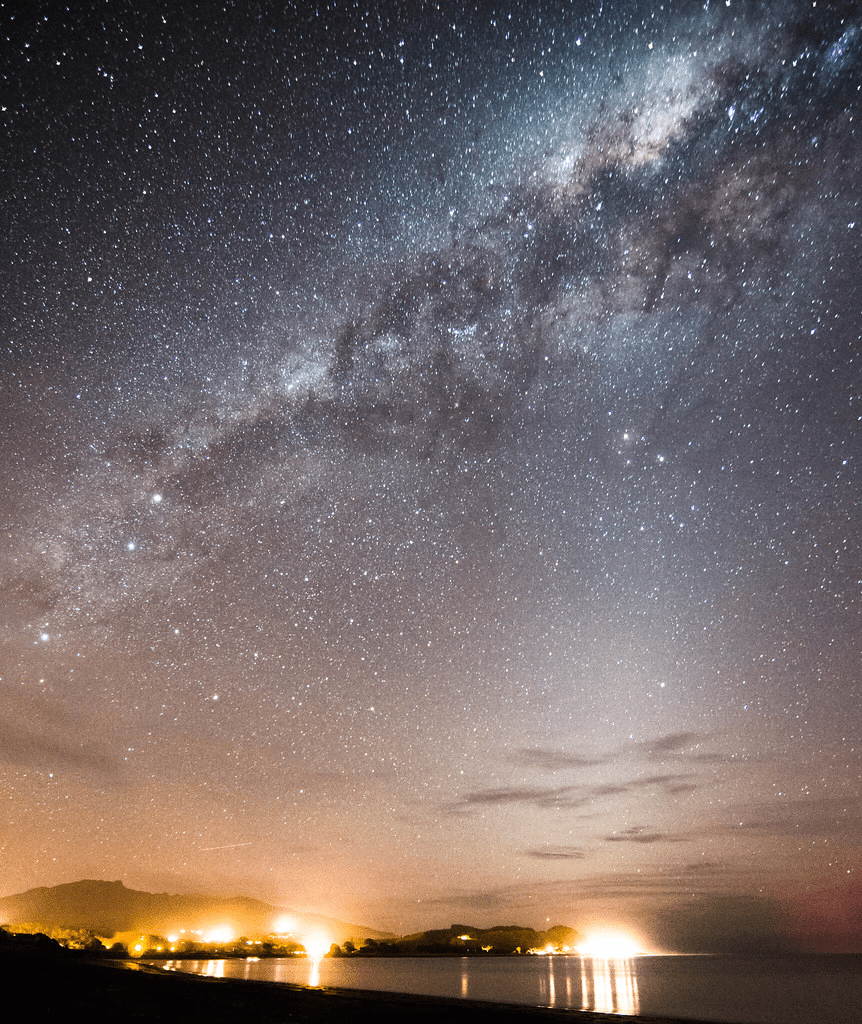
I don’t think anyone would argue with me when I say that space is awesome. Everything from the huge distances, sizes, temperature fluctuations, even the tedious science and mathematics has a way of seeming mesmerizing. One of the things that I find most mesmerizing about space are supernovas and the Big Bang. Which is what Kerry Lotzof discussed in the article “Are We Made of Stardust?” There are lots of things that can be learned from this article, some of which you might not think of are writing tips. Number one, balance the amount of intrigue and explanation an article has. Two, back up the arguments with evidence. Lastly, create some suspense in it.
I am very biased when I say that space is a great topic all around. A lot of people share the same fascination as I do. Lotzof primarily wrote about supernovas and the Big Bang in her article. That by itself is enough to draw in readers and gives the writer more leeway to shove more science in. When writing for a general audience, creating a good, intriguing topic and title are vital to gaining readers. Keeping those same readers requires a bit more work. A couple of the ways in which she does this is through beautiful pictures of space and vivid descriptions. An article title may draw in a reader, but if you go too far in depth while discussing the topic it could drive people away. That’s where balancing the amount of intrigue the article has with the amount and depth of explanation comes in. There aren’t a lot of people who would sit down and read an in depth look into the history of yarn, but quite a few people would read a short little tidbit about a celebrity who loved knitting. The same is true for any subject and the job of any writer is to gage that threshold.
Speaking of intrigue, “Are We Made of Stardust?” immediately catches our attention with that title. The first paragraph below the title confirms the question pondered by the title. Yes, we are. Lotzof could have ended it there; instead, she explains the science behind it. She talks about the Big Bang creating some of the first elements, then she delves into what happens after. How after the big bang, materials gathered and ignited into stars much larger and hotter than our sun. These stars burnt out quickly, going supernova and exploding out. Before these stars died, they made some new elements. The author even brings in an expert on the field, Dr. Ashley King, to help provide evidence. These early supernovas gave the resources to make new stars that later led to new elements being formed. Not only does she have an expert on the topic, but she also explains exactly how humans are made of stardust.
Lotzof has a lot going for her in this article, but the thing that could be worked on is suspense. As I stated earlier, the title and topic need to have a good balance of intrigue. The problem is that she revealed what the article was about and the answers within the first couple sentences. With intriguing topics like this, starting out with more mystery could add a lot of intrigue for the audience. With how the article is written, all the reader may do is open it up and read the first paragraph before closing it. Answering the question at the very end encourages readers to continue reading and, in this case, leave it on a high note. Not only are we made of stardust, but we also have remnants of the Big Bang inside of us.
There are a lot of lessons that can be learned from published articles, a few of which have been listed out here. Balancing intrigue, providing evidence, and building suspense are all important parts of writing good non-fiction and fiction alike. And as always, remember that we are all made of stardust, and we can create amazing things.
 Science Writings