I read a recently published article by Phil Plait titled “How Light Tells Us the Story of the Universe” which describes how astronomers and scientists use light particles to learn more about space. While it was a pretty good article, it wasn’t as good as some of the other ones I’ve read previously. I want to discuss what traits could bring this article from a good one to an excellent one.
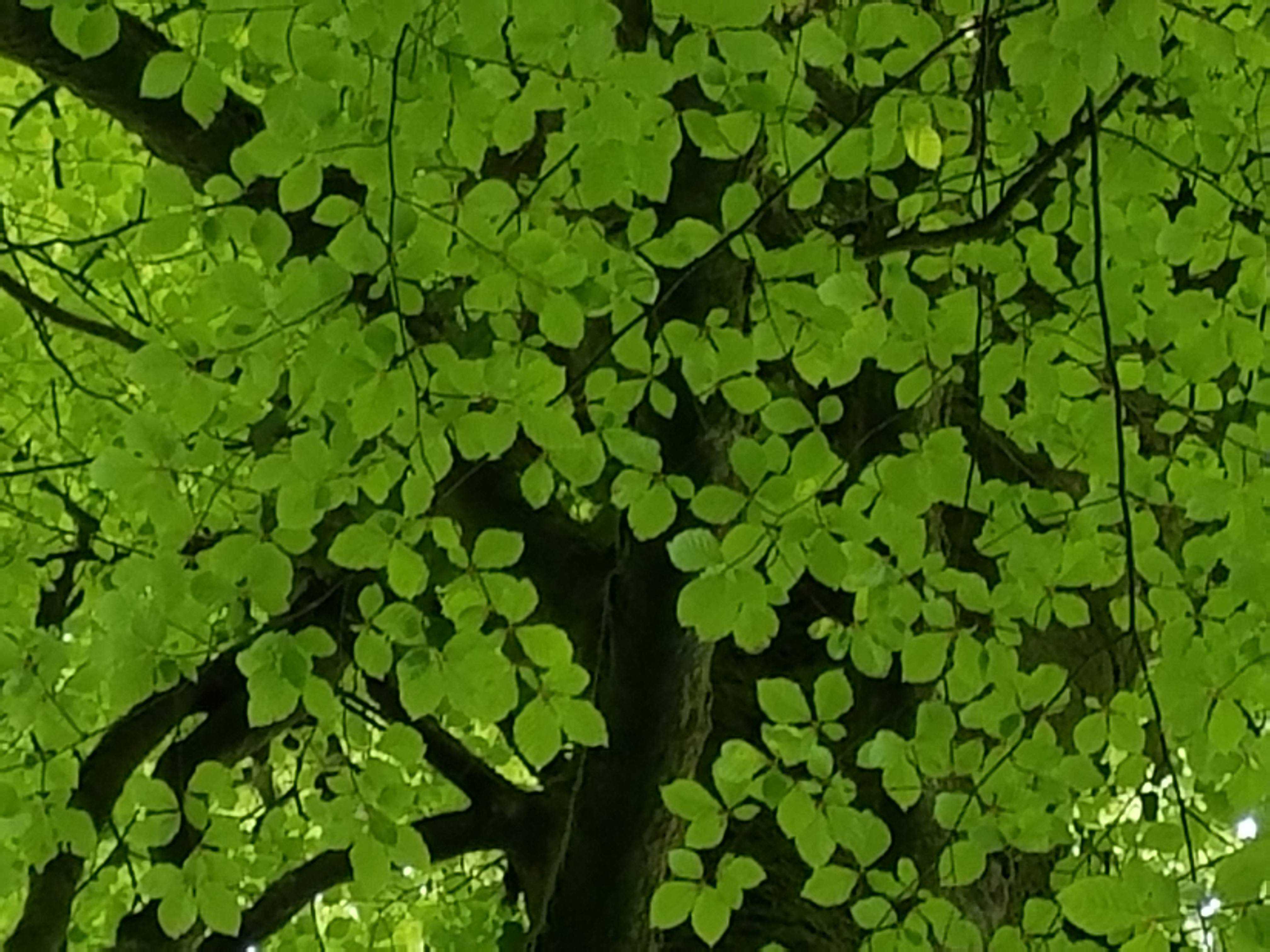
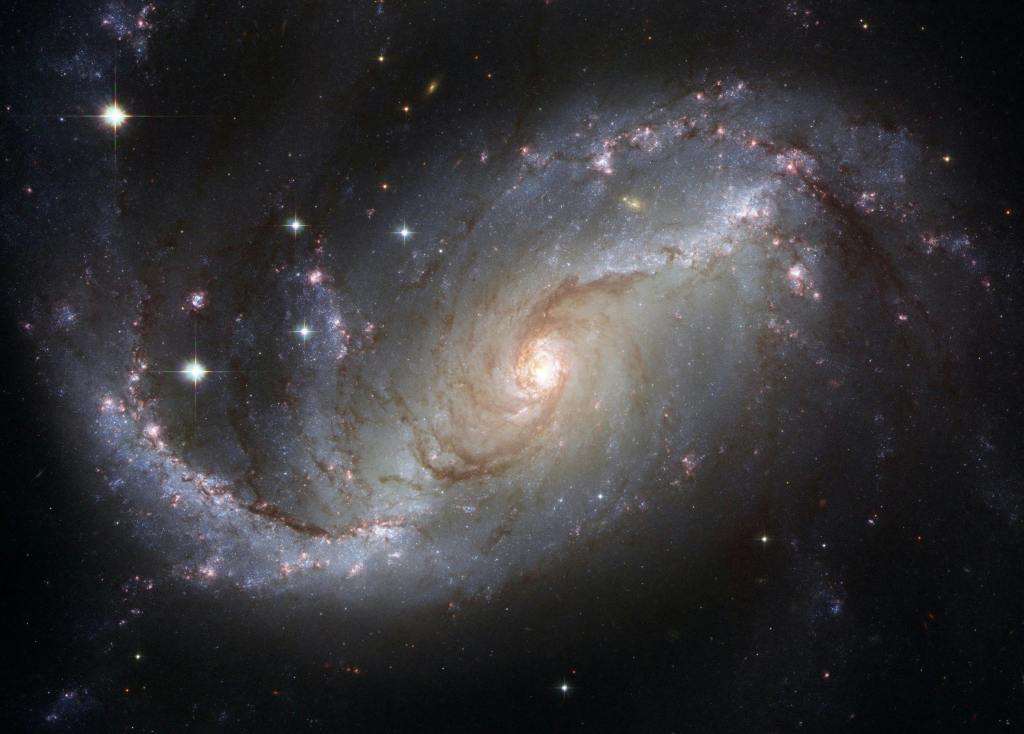
The first thing I thought about while reading this was how this article could benefit from a couple relating images. Later in the article when Plait is explaining what blueshift and redshift are, I feel it would be helpful and interesting to include an image that shows how these concepts are viewed. I also find images taken in space very entertaining and interesting. I also believe these images would help with the engagement of the article.
The article lacked engaging storytelling, which is what normally keeps me hooked. While it had a lot of good information that properly described all the concepts the author wanted to share, it didn’t feel very engaging. I think what would help develop the story a bit more was if the author introduced photons and light waves through the eyes of the scientist who discovered them, William Herschel, and go a bit more into his history and what led him to his discovery. Herschel’s backstory would provide a lot of contexts to the idea of photons and light particles. It would give readers an interesting history of a scientist that many not know too much about. Combining the idea of a stronger narrative with scientific imagery would be much more engaging to read about. For an example, I would open the article with an astronaut or someone flying a space shuttle and explain, through their eyes, how they would experience redshift or blueshift. I believe there would be a good example that could be taken from a sci-fi show like Star Trek.
The author could also expand on what they discuss a bit more. When the article is explaining how astronomers are ranking stars based on the light they can see, they never relate how the light of a star can also compare to the size of the star. I know that red stars are normally smaller while blue and violet ones are some of the largest ones. I don’t think the author needs to spend too much time discussing this topic, but I do think it is an interesting topic that flows well with the talk of light.
While this article has concise and descriptions of scientific topics that could be easily understood by the general public along with a casual tone that made it easy to read, its lack of good narrative and storytelling is keeping me away from staying its an “excellent article.” I think that if it included a bit more imagery, narration, and storytelling it would be brought up to that next level.
 Science Writings